



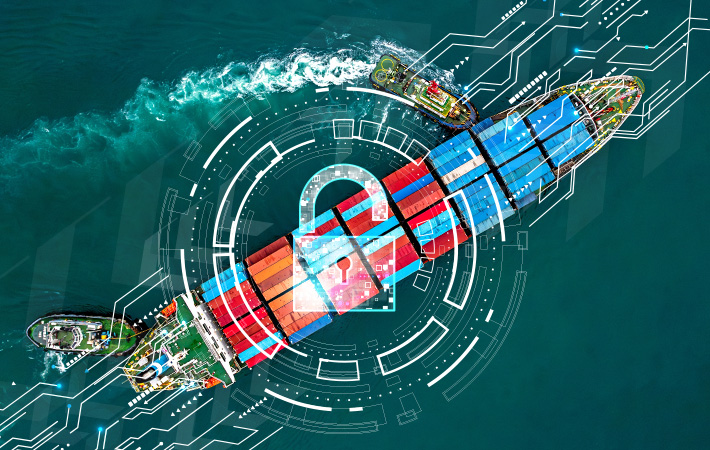
With nearly 90% of global trade reliant on maritime transport, the shipping industry is a critical pillar of international commerce, national economies, and global connectivity. In Türkiye, this importance is magnified by over 8,000 km of coastline and strategic waterways like the Bosphorus Strait. As high-bandwidth satellite networks, particularly Low Earth Orbit (LEO) constellations, accelerate digital transformation across fleets and ports, maritime cybersecurity is becoming a core operational requirement.
While this digital shift brings increased efficiency, it also introduces significant vulnerabilities, from cyberattacks that can disrupt navigation and cargo systems to ransomware that can halt entire shipping operations. Cybersecurity is no longer optional; it’s vital to ensure safety, compliance, and business continuity.
The Rising Threat Landscape in Turkish Maritime Satcom
According to data from Türkiye National Cyber Incidents Response Center (USOM), cyberattacks on maritime infrastructure have risen by over 40% since 2022. Phishing campaigns and malware targeting vessel IT systems are increasingly common.
According to media reports, in a high-profile case the NotPetya ransomware attack disrupted operations at shipping giant Maersk in 2017, with losses estimated in the hundreds of millions—and industry analysts have cited this incident as a wake-up call for modern maritime cybersecurity .
Türkiye strategic location between Europe and Asia makes its shipping corridors attractive targets. Satellite communication (satcom) systems – essential for navigation, cargo monitoring, and remote operations, are especially vulnerable due to their deployment in isolated areas with limited real-time security oversight. As Turkish fleets digitise further, the need for robust, proactive cyber defence grows.
Adapting to Evolving Regulations and Compliance Needs
The International Maritime Organization (IMO) mandates that shipowners integrate cyber risk management into their International Safety Management (ISM) Code (Resolution MSC.428(98)). Non-compliance can render a vessel “unseaworthy,” potentially voiding insurance and compromising commercial operations.
Türkiye is also taking action. Its National Cybersecurity Strategy and Action Plan (2020–2023) identifies maritime infrastructure as critical and encourages public-private collaboration for risk mitigation. Turkish operators must now ensure their cybersecurity strategies align with global frameworks while adapting to local compliance laws like KVKK (Türkiye data protection law).
What is Data Loss Prevention (DLP) in Maritime Satcom?
Data Loss Prevention (DLP) encompasses technologies and practices that safeguard sensitive information onboard vessels, from bridge-to-shore data transfers to internal crew communications and cloud-based fleet tools.
Because vessels operate beyond terrestrial coverage, relying on satellite links, it’s essential to secure these digital lifelines. Even encrypted satellite channels can be compromised if endpoints—like VSAT terminals or crew-accessible devices—aren’t adequately protected.
NAVIGATE SAFELY WITH OPTISHIELD
Your shield against online threats, wherever you go.
- Real-time protection from viruses, phishing, and malware
- Secure connections on public Wi-Fi & risky networks
- Safe browsing across all devices, anytime
- Threat monitoring with instant alerts
OptiShield’s DLP: Purpose-Built for Maritime Environments
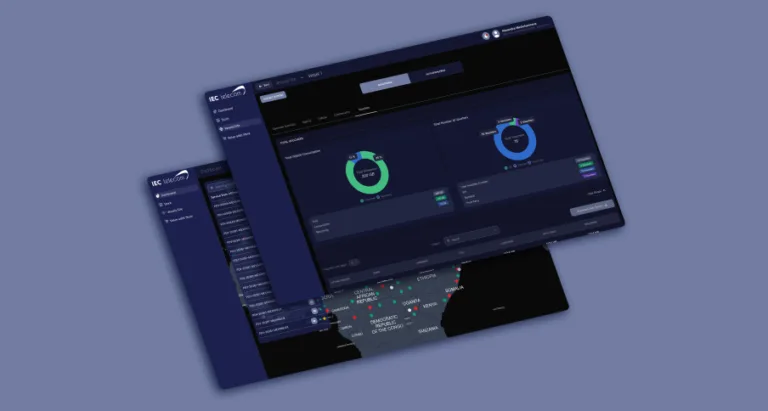
OptiShield provides a maritime-focused cybersecurity suite designed specifically for satellite-reliant operations. It equips ICT teams with data visibility, protection, and compliance tools—all accessible via a centralised maritime dashboard.
Key capabilities of OptiShield’s DLP module include:
- Real-Time Monitoring: Tracks sensitive data across endpoints to prevent leaks and unauthorised access, even on remote satellite terminals.
- Content-Aware Policies: Custom rules based on data type—e.g., operational logs, crew data, or mission-critical documents.
- Layered Encryption: Protects data at rest, in transit, and in use—essential in shared satellite environments.
- Insider Threat Detection: Monitors abnormal user behaviour (e.g., privilege escalation or unauthorised file transfers) to reduce internal risk.
Beyond DLP: A Complete Maritime Cybersecurity Framework
OptiShield goes beyond DLP to deliver a full-stack protection suite:
- Advanced Threat Protection: Detect and respond to real-time anomalies.
- Ransomware Rollback: Restore infected systems to minimise downtime.
- Anti-Exploit Engine: Blocks zero-day threats via sandboxing.
- Secure Remote Access: VPN protocols (SSL, IPSec) with two-factor authentication.
- Web Filtering & SaaS Controls: Manage bandwidth and restrict risky sites.
- Vulnerability Management: Patch critical systems—even in offline mode.
Level up with starlink maritime portfolio
Stay connected at sea - anytime, anywhere.
- High-speed internet in remote waters
- Reliable connectivity for navigation, crew welfare & operations
- Low-latency communication for real-time data exchange
- Flexible plans tailored to maritime needs
Why Turkish Maritime Operators Need OptiShield Now
Türkiye maritime sector is rapidly modernising—embracing fleet analytics, autonomous systems, and remote operations. This digital growth increases exposure to cyber risk.
OptiShield supports Turkish maritime businesses by:
- Protecting navigational and operational data in transit over satellite links
- Mitigating insider threats among mobile crew and service contractors
- Enforcing compliance with national and international maritime data laws
- Centralising endpoint management across global fleets
- Maintaining operational continuity in high-risk environments
Securing LEO Connectivity: Starlink and Cyber Risk
LEO networks like Starlink are transforming maritime operations by delivering high-speed bandwidth at sea. This connectivity unlocks real-time diagnostics, smart navigation, and advanced onboard applications. However, as vessels become more digitally integrated, they also become more exposed to cyber threats.
High-speed connected vessels are now increasingly targeted by cybercriminals. To effectively manage this evolving risk, a layered security approach is essential, starting with intelligent network segmentation.
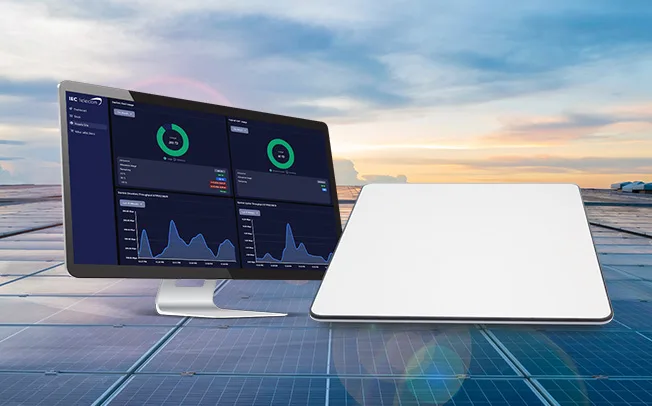
OptiView, IEC Telecom’s advanced network management platform, is purpose-built for the maritime environment and complements OptiShield’s cybersecurity framework. Key OptiView features include:
- Onboard Network Segmentation: Easily separate crew welfare and operational environments to prevent cross-contamination.
- Live Analytics & Real-Time Monitoring: Gain full visibility over bandwidth usage and detect anomalies as they occur.
- Automated Policy Enforcement: Apply and adjust access policies remotely, even when vessels are in transit.
When deployed together, OptiView and OptiShield provide a robust, unified cybersecurity and network management solution, ensuring Turkish maritime fleets stay secure, compliant, and operationally agile in the LEO era.
Ensuring Compliance with Global and Local Standards
OptiShield helps maritime operators in Türkiye meet key compliance mandates, including:
- 🇪🇺 GDPR – General Data Protection Regulation
- 🇺🇸 HIPAA – Health Insurance Portability and Accountability Act
- 🇹🇷 KVKK – Türkiye Personal Data Protection Law
- IMO 2021 Cyber Guidelines
- IMO Resolution MSC.428(98)
With central dashboards, audit logs, and automated reporting, Turkish operators can stay audit-ready and transparent.
Conclusion: Maritime Cybersecurity as a Strategic Imperative
Cybersecurity is a core requirement for modern maritime operations. Every data packet—whether for navigation, diagnostics, or communications, must be protected.
OptiShield delivers the digital resilience Turkish maritime companies need to protect their fleets and ensure compliance in a rapidly evolving threat landscape.
Ready to secure your satcom systems?
Explore how OptiShield and IEC Telecom can support your maritime digital transformation.
Request a cybersecurity consultation
https://iec-telecom.com/en for more satcom and security solutions for Turkish and global maritime operators



Build the Right Connectivity Solution
Tell us where you operate and what you need to connect. Our experts will help identify the right solution for your operations.