

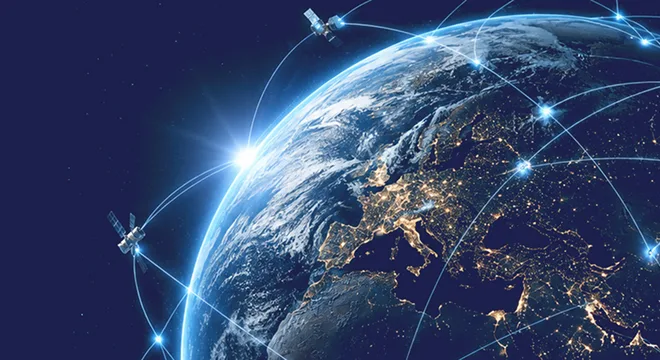
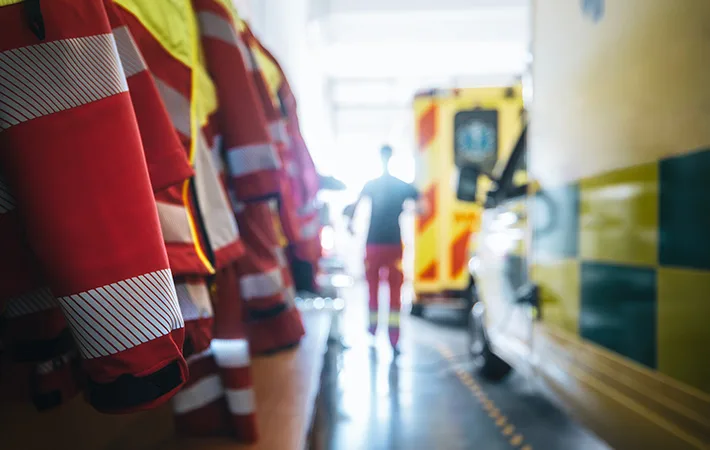
An emergency communication system for disaster response in Indonesia is the combination of satellite connectivity, field voice tools, and asset tracking that keeps response teams connected when terrestrial mobile and fibre networks fail. It matters because Indonesia, spread across thousands of islands and sitting on the Pacific Ring of Fire, faces earthquakes, tsunamis, floods, and landslides that routinely knock out local infrastructure at the exact moment coordination is most critical. The most effective systems are planned, tested, and ready to activate before a disaster strikes, not assembled during one.
For emergency teams, the challenge is not only responding quickly. It is responding across islands, coastal communities, rural areas, mountainous regions, and locations where terrestrial infrastructure may be limited even before a disaster strikes. When roads are blocked, electricity fails, and mobile networks go down, the emergency communication system becomes one of the first critical gaps.
The major floods and landslides that affected Sumatra in late 2025 highlighted this challenge clearly. Communities across Aceh, North Sumatra, and West Sumatra were cut off, infrastructure was severely damaged, and response teams had to work in extremely difficult conditions. In situations like this, reliable connectivity is not simply a support tool. It becomes part of the emergency response itself.
For disaster management in Indonesia, the lesson is clear: communication systems cannot be treated as an afterthought. They need to be planned, tested, and ready before the emergency happens.
Disaster Management in Indonesia Depends on Communication Readiness
Disaster management in Indonesia involves many different teams working together under pressure. National agencies, local authorities, search and rescue teams, military units such as the TNI (Indonesian National Armed Forces), healthcare providers, NGOs, logistics teams, maritime responders, and field coordinators all need to share information quickly.
During a crisis, every update matters. Teams need to know where people are stranded, which routes are blocked, where medical support is needed, which shelters require supplies, and where rescue teams are operating. Without reliable field communication, decisions can be delayed and response efforts can become harder to coordinate.
This is especially important in Indonesia, where emergency teams may need to move between islands, remote villages, coastal zones, temporary shelters, and disaster-affected field locations. In many cases, the communication network has to follow the team, not the other way around.
A resilient response connectivity setup helps emergency teams:
When communication networks fail, disaster response slows down
During a disaster, terrestrial networks are often affected at the exact moment they are needed most. Mobile towers may lose power, fibre lines may be damaged, and local networks may become overloaded. In remote or isolated areas, restoring these networks can take time.
This creates a serious operational problem. If communication fails, rescue teams may not receive updated instructions. Medical transfers may be delayed. Logistics teams may struggle to confirm delivery routes. Families may be unable to reach support services, while command centres may lose visibility over what is happening in the field.
The Sumatra floods showed how quickly this situation can develop. Flooding, landslides, damaged roads, and power disruption affected telecommunications across Aceh, North Sumatra, and West Sumatra, making it harder to reach affected communities and coordinate support. For many remote areas, these communication lines were the only connection to rescue services.
In response, Indonesian authorities, including the national disaster agency BNPB, the Basarnas search-and-rescue agency, and the TNI, or Indonesian National Armed Forces—mobilised to restore access. Satellite links, including the SATRIA-1 satellite and Starlink terminals, were deployed to reconnect command posts, clinics, and isolated villages.
It was a clear demonstration that when fixed networks fail, satellite connectivity can become a critical backbone of the emergency response.
This is why every emergency communication system needs to be designed for resilience. The question is not only whether a network works on a normal day. The real question is whether it can continue supporting emergency operations when the primary network is no longer available.
This is where a managed setup becomes important. For organisations involved in disaster management in Indonesia, the priority is not only to have satellite equipment available, but also to ensure that the complete system is ready to activate, simple for field teams to use, and supported throughout the response.
With experience in mission-critical and humanitarian connectivity, IEC Telecom helps organisations plan this communication layer before disruption occurs, combining satellite connectivity, field communication, tracking, and managed support based on the operational environment.
Key Communication Impact
Satellite communication for disaster management
Satellite communication provides an essential backup and response layer when terrestrial infrastructure is unavailable, damaged, or unreliable. In the first hours of a disaster, portable satellite communication can support field command posts, temporary shelters, medical units, and logistics coordination points. Different satellite technologies support different operational requirements:
Dependable voice & broadband
For emergency teams, remote command posts, maritime operations, and field coordination. Inmarsat FleetBroadband helps teams send reports, access online systems, and communicate with headquarters where terrestrial networks are unavailable.
Reliable in difficult environments
Voice, messaging, and operational coordination in remote or difficult environments, where dependable communication is more important than high bandwidth.
Highly mobile teams
Communication for teams operating across remote locations, wide areas, and difficult terrain where local coverage cannot be relied upon.
First Responder Communication Needs to Be Fast, Simple, and Reliable
First responder communication needs to work in real field conditions. During floods, landslides, earthquakes, or coastal emergencies, teams may be moving quickly between locations, working in poor weather, and operating under time pressure. They need communication tools that are easy to use and dependable.
Push-to-talk communication can support this need by allowing predefined response groups to stay connected through simple voice coordination. With PTT, teams can communicate quickly across field units, logistics teams, drivers, medical responders, and command staff without waiting for long call chains or fragmented updates.
For disaster response teams, group communication is especially useful when different units are working across multiple zones. A rescue team in one district, a logistics team near a port, and a field coordinator at a temporary shelter may all need to stay aligned. PTT helps keep these teams connected in a structured and practical way.
In urgent situations, speed also matters on the service side. Emergency teams may need satellite phones, SIM activation, equipment dispatch, and operational support at short notice. That is why a managed communication partner makes a difference: response connectivity is not only about hardware. It also depends on activation, configuration, technical support, and continuity throughout the response.
Tracking People, Vehicles, and Assets During Emergency Operations
In disaster response, knowing where people and assets are located can be just as important as voice communication. Search and rescue teams, medical vehicles, aid convoys, and field staff may all be moving through unstable or unfamiliar areas. Without visibility, coordination becomes harder and responder safety can be affected.
Traksat can support emergency operations by helping organisations monitor vehicles, mobile teams, and key assets from a central location. This allows coordinators to see where teams are operating, identify movement patterns, and support safer field deployment.
IoT tracking can also support disaster response by helping teams monitor equipment, assets, and field movement. When used together with satellite connectivity, tracking tools can provide visibility even in areas where terrestrial networks are unreliable.
This matters because disaster response is not only about reaching affected communities. It is also about keeping frontline teams safe while they work.
Tracking answers important questions
- Where are our vehicles and field teams now?
- Which team is closest to the affected area?
- Has a convoy reached the shelter or distribution point?
- Are responders moving through a high-risk zone?
- Which assets are available for redeployment?
Maritime and Coastal Emergency Communication in Indonesia
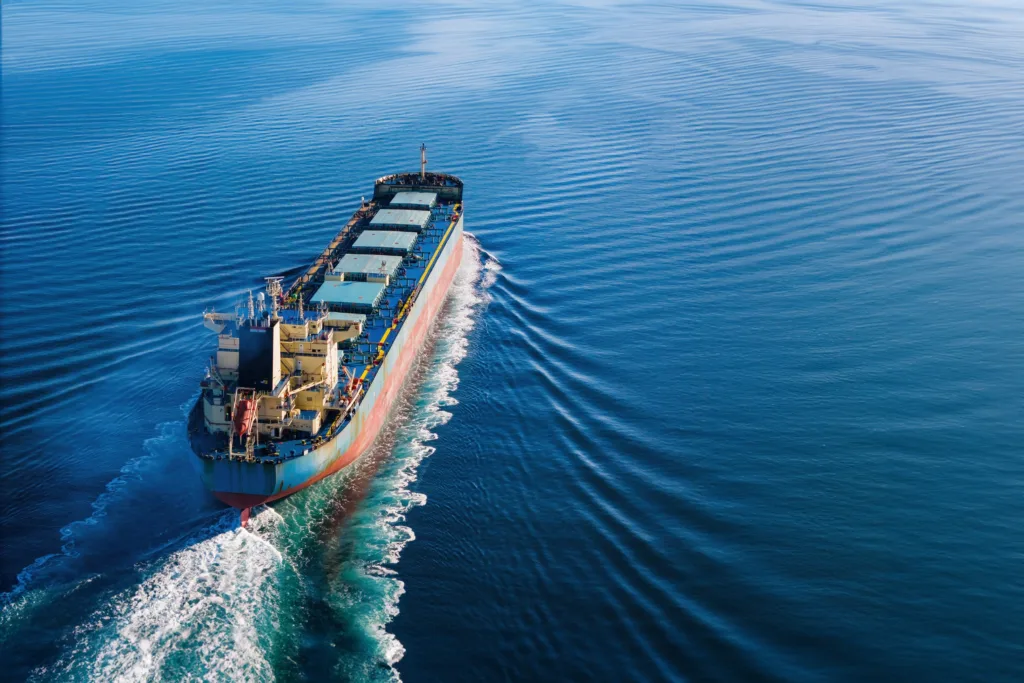
Indonesia’s island geography makes maritime and coastal communication an important part of disaster preparedness. Floods, tsunamis, storms, and coastal emergencies can affect ports, vessels, offshore teams, fishing communities, and island populations.
In these environments, the emergency communication system needs to support both land-based and sea-based response. A disaster may require coordination between vessels, rescue teams, coastal authorities, logistics operators, and emergency command centres.
For maritime safety communication, Inmarsat GMDSS can support distress and safety communication at sea. This is relevant for vessels and maritime operations that need recognised safety communication capabilities during emergency situations.
In coastal or island response scenarios, satellite communication can help maintain contact between teams moving by boat, temporary coastal command posts, and support units on land. This is especially important when affected communities are difficult to reach by road or when maritime access becomes part of the response plan.
For Indonesia, disaster response planning should not only focus on land connectivity. It should also consider how emergency teams communicate across water, ports, vessels, and island communities.
Emergency Communication Solutions Should Be Planned Before the Crisis
One of the biggest lessons from recent disaster events is that connectivity should be prepared before it is needed. Waiting until a disaster has already damaged infrastructure can delay deployment and make the response more difficult.
Emergency communication solutions should be selected based on the real operating environment. A temporary shelter may need basic connectivity for coordination and reporting. A search and rescue team may need mobile voice communication and location tracking. A coastal response team may need maritime safety communication. A remote command post may need satellite broadband and backup connectivity.
For organisations involved in disaster management in Indonesia, preparedness planning should consider:
- Which areas are most vulnerable to network disruption?
- How will field teams communicate if mobile networks go down?
- Are satellite phones and SIMs ready for rapid activation?
- Can emergency command posts be connected quickly?
- Are vehicles, responders, and assets visible from headquarters?
- Do coastal and maritime teams have reliable safety communication?
- Is there a backup communication plan for the first 72 hours?
- Can the system support long-term recovery after the initial response?
Can the system support long-term recovery after the initial response?
IEC Telecom's Humanitarian & Aid Connectivity Portfolio
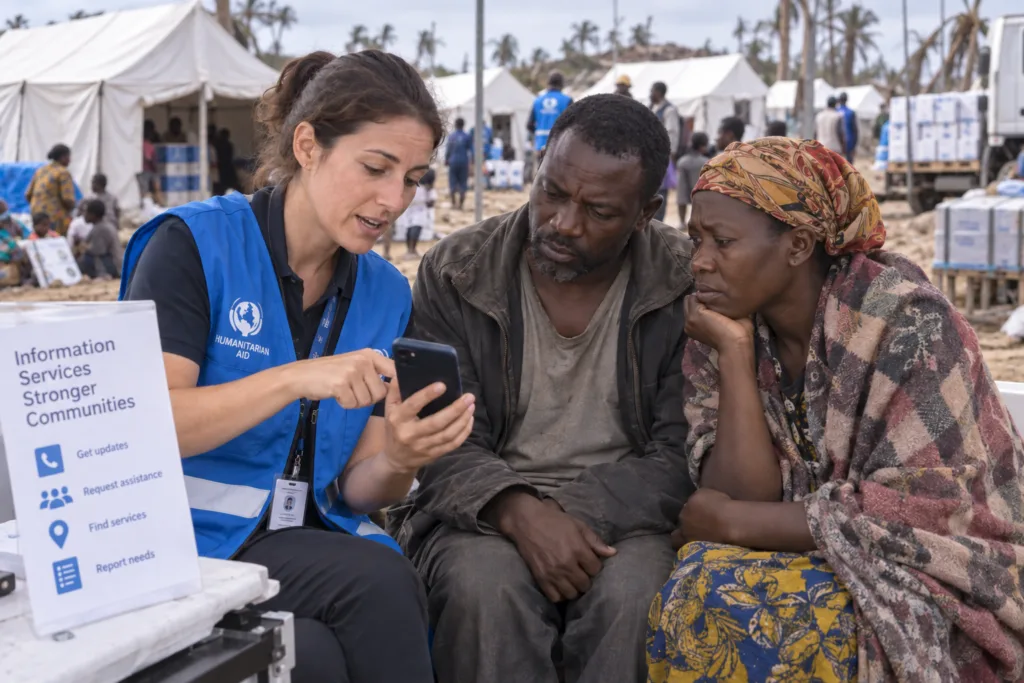
Emergency response operations need communication systems that are reliable, fast to deploy, and practical for field teams. Through its Humanitarian & Aid connectivity portfolio, IEC Telecom supports NGOs, first responders, government entities, and mission-critical teams working in remote or disaster-affected environments.
The portfolio combines satellite connectivity, L-band backup, field broadband, satellite phones, push-to-talk communication, tracking solutions, maritime safety communication, service activation, and technical support. This enables organisations to build a complete emergency communication system for command centres, mobile teams, remote shelters, and recovery operations.
An integrated system
Develop an integrated emergency communication system for command centres, mobile teams, remote shelters, coastal operations, and recovery activities.
Prepared, deployed, and managed
The value lies not only in the technology, but in how the system is prepared, deployed, and managed. Preconfigured equipment, reliable activation, and continued technical support reduce delays and simplify field operations when terrestrial networks are unavailable or degraded.
From Reaction to Preparedness
Disasters can damage infrastructure quickly, but emergency teams cannot afford to lose communication. For Indonesia, where response operations may involve islands, rural areas, coastal communities, and remote disaster zones, resilient connectivity must be part of the preparedness plan.
Satellite communication, push-to-talk coordination, tracking, maritime safety communication, and managed emergency connectivity can all help build a stronger response framework. The right setup gives teams the ability to communicate, coordinate, and protect people even when terrestrial networks fail.
The key is to move from reaction to preparedness.
By planning emergency communication systems in advance, organisations involved in disaster management in Indonesia can improve response speed, strengthen field coordination, and support safer operations when every minute matters.
For humanitarian teams, first responders, government agencies, and organisations involved in disaster response in Indonesia, IEC Telecom can support the design, deployment, and management of emergency communication systems that improve preparedness, field coordination, responder safety, and long-term recovery.
Frequently Asked Questions
What is an emergency communication system for disaster response?
It is a resilient setup, usually built on satellite connectivity, field voice tools such as push-to-talk, and asset tracking, that keeps response teams connected when terrestrial mobile and fibre networks fail. Its purpose is to maintain coordination between command centres, field teams, and affected communities throughout every phase of a disaster.
Why do mobile networks fail during disasters in Indonesia?
Mobile towers lose power, fibre lines are cut by floods or landslides, and surviving networks become overloaded. During the November 2025 Sumatra floods, roughly 3,414 mobile base stations went offline at the peak, close to a 67% communications outage across three provinces, leaving many remote areas dependent on satellite links for any contact with rescue services.
How can emergency response teams stay connected with satellite communication?
Portable satellite terminals let teams set up connectivity in minutes at command posts, shelters, and medical units, independent of local infrastructure. L-band networks such as Thuraya handle voice and messaging where reliability matters most, FBB provides broadband for reporting and coordination, and Iridium supports highly mobile teams across wide or difficult terrain.
What are the golden 72 hours in disaster response?
The golden 72 hours are the first three days after a disaster, when survival rates are highest and fast decisions have the greatest impact on rescue outcomes. Having communication ready to activate immediately, rather than assembling it mid-crisis, is what allows teams to coordinate effectively in this critical window.
How should organisations prepare an emergency communication plan before a disaster?
Map which areas are most exposed to network disruption, pre-position satellite phones and SIMs for rapid activation, and confirm command posts, vehicles, and coastal teams can be connected and tracked. A managed partner can pre-configure equipment and provide activation and support, so the system is ready to switch on the moment terrestrial networks fail.
Build the Right Connectivity Solution
Tell us where you operate and what you need to connect. Our experts will help identify the right solution for your operations.