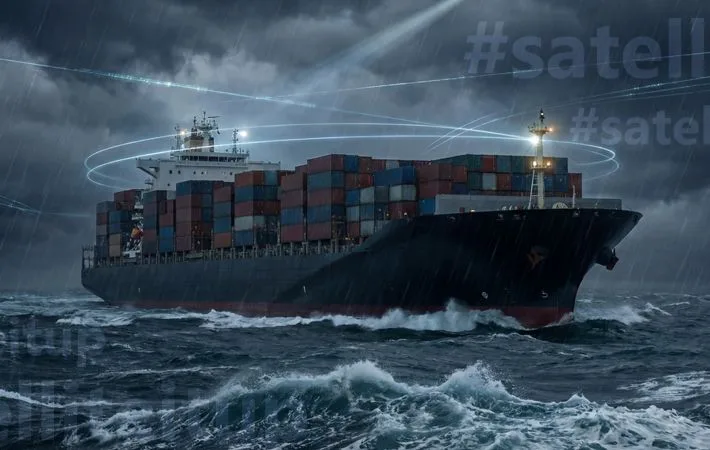
Four Layers Between Your Fleet and Downtime
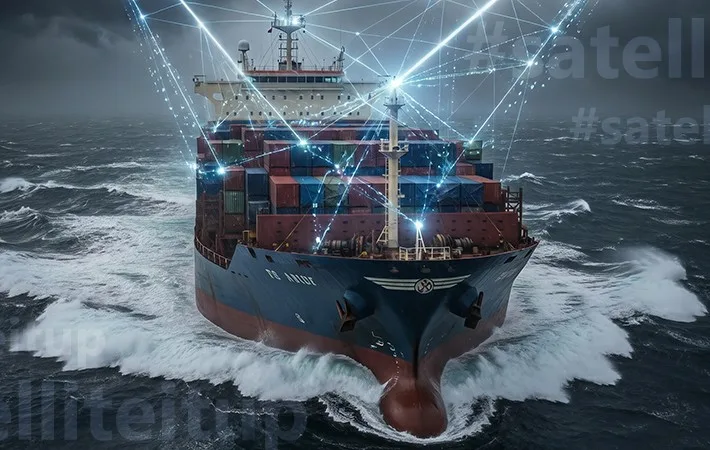
Relying on a single connection creates a single point of failure. A resilient vessel network combines multiple layers of connectivity, network management, and cybersecurity to help maintain communications, protect critical traffic, and keep essential operations running when disruption occurs.
1. Primary Connectivity
Starlink Maritime
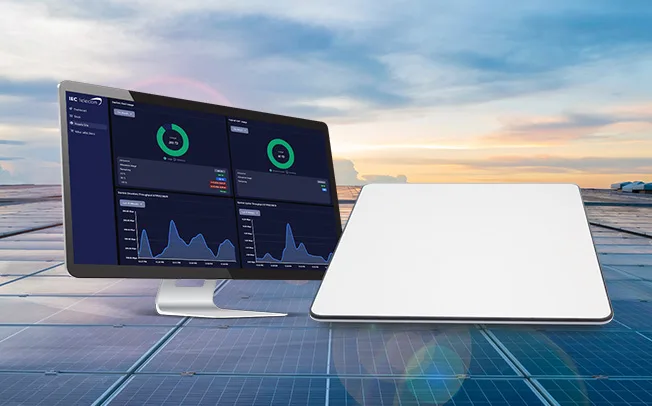
Provides high-speed, low-latency connectivity for bandwidth-intensive vessel operations, including cloud applications, video conferencing, remote diagnostics, real-time operational data, software access, and crew connectivity. It acts as the primary communications layer for day-to-day digital operations at sea.
2. Backup Connectivity
L-band
Provides a resilient secondary connection when the primary link becomes unavailable, unstable, or degraded. It helps maintain access to essential email, telemetry, safety communications, monitoring systems, and critical operational applications, ensuring that priority communications can continue during connectivity disruption.
3. Network Control
OptiView
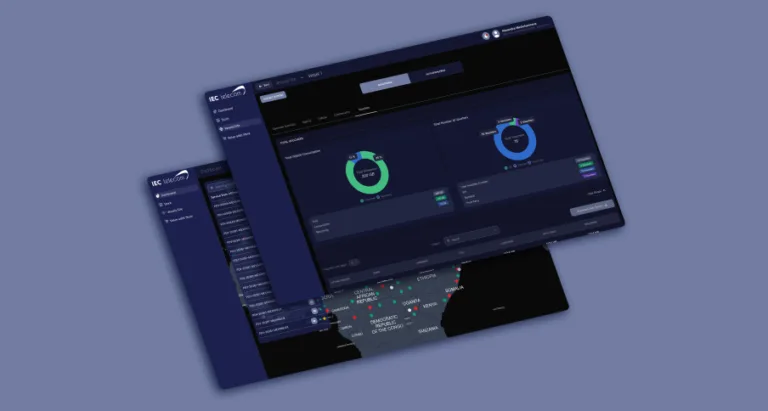
Provides centralised visibility and control across the vessel’s connectivity environment. Operators can monitor network performance, manage available links and failover, control bandwidth usage, and prioritise operational, safety, and compliance traffic when network capacity becomes limited.
4. Cyber Defence
OptiShield
Adds a dedicated cybersecurity layer to the vessel network with security controls, vulnerability management, threat protection, and data-loss prevention. It helps reduce exposure to cyber risks that could compromise onboard systems, disrupt communications, or affect the continuity of vessel operations.
Together, these four layers create a more resilient vessel connectivity environment. From the primary and backup links to intelligent network control and cybersecurity, each layer helps reduce operational risk and maintain access to the systems, applications, and communications your fleet depends on.