

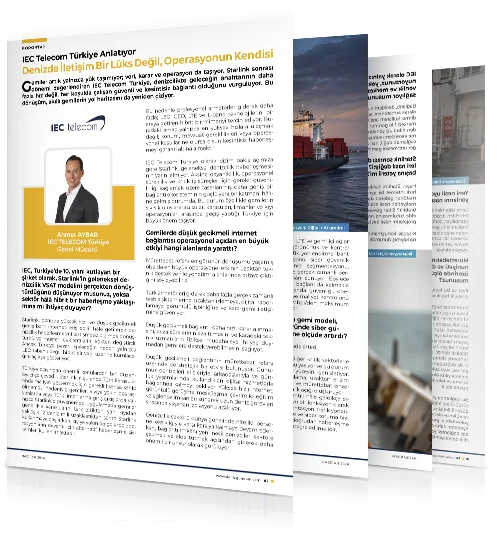
As IEC Telecom marks ten years in Türkiye, the maritime sector is experiencing a clear change in expectations. High-speed, low-latency broadband via LEO satellites like Starlink has altered how operators view onboard internet. However, a recent interview with Ahmet Aybar, General Manager of IEC Telecom Türkiye, published in Deniz Gündem, highlights why a purely satellite-reliant setup is impractical for local fleets.
In line with the current regulatory framework in Türkiye, Starlink services can be utilised once vessels are operating approximately 12 nautical miles from the coastline. As a result, many shipowners adopt a multi-layer connectivity strategy, leveraging LEO services in international waters, GEO networks to ensure continuity across territorial waters, and LTE connectivity when operating closer to shore. This hybrid approach provides seamless communications throughout the voyage while optimising both performance and resilience.
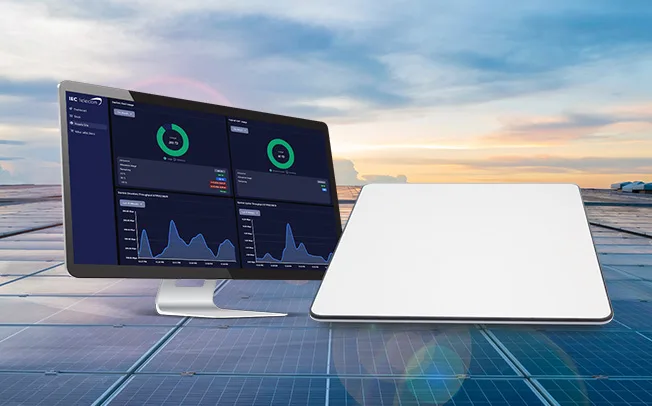
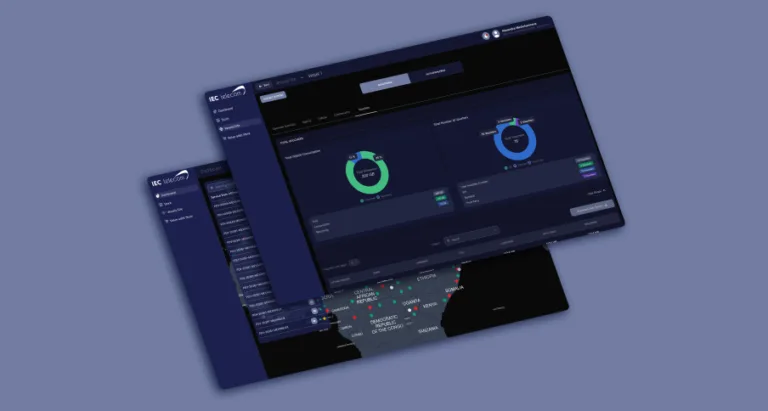
Ahmet discusses how the focus has shifted from bandwidth to business outcomes, as managing the multi-network traffic seamlessly is required for true operational readiness. Through the OptiView ecosystem, IEC Telecom provides operators with centralised visibility and control, allowing them to route traffic intelligently, optimise bandwidth, and manage costs while maintaining strict cybersecurity across the fleet.
Beyond technical operations, this balanced approach addresses the ongoing maritime workforce shortage. Younger seafarers view digital access as an everyday requirement rather than an optional perk. Providing reliable, well-managed connectivity helps operators retain talent, protect long-term knowledge transfer within the industry, and secure a more stable future for maritime commerce.
Build the Right Connectivity Solution
Tell us where you operate and what you need to connect. Our experts will help identify the right solution for your operations.